
Influencer Marketing in Online Casinos: Trust, Risks and Advertising Rules
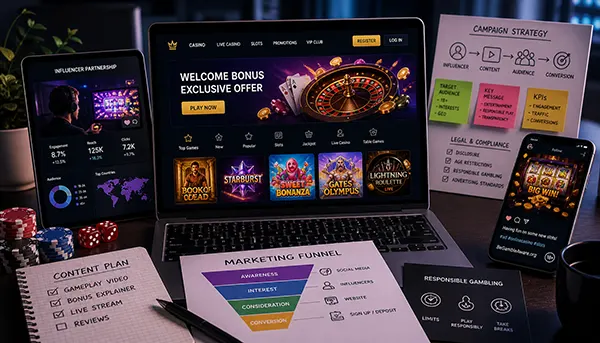
Influencer marketing has become a visible tool in the promotion of online casinos, especially across social media and streaming platforms. By 2026, this approach is no longer experimental — it is structured, regulated and closely monitored by authorities. However, its effectiveness still depends on one fragile factor: trust. Audiences expect transparency, while regulators demand compliance. As a result, brands and influencers must balance visibility with responsibility.
The Role of Trust in Influencer-Led Casino Promotion
Trust is the foundation of any collaboration between online casinos and influencers. Unlike traditional advertising, influencer content is perceived as personal opinion rather than direct promotion. This creates a stronger emotional connection with the audience, but also increases the responsibility of the content creator.
In practice, trust is built through consistency and transparency. Influencers who clearly disclose partnerships and avoid exaggerated claims tend to maintain audience loyalty. Many online casinos with a broad selection of slots, live games and bonus offers, including Nolimit casino, are typically presented through content where gameplay features, promotional terms and potential risks are explained in a clear and responsible way.
Another important factor is audience alignment. Collaborations are more effective when influencers genuinely engage with gaming content and understand the mechanics of online casinos. Otherwise, promotional messages may appear artificial and reduce credibility.
Regulatory Requirements and Transparency Standards
Regulation has tightened significantly in recent years. By 2026, most European jurisdictions require strict disclosure of paid partnerships in gambling-related content. This includes visible tags such as “#ad” or “sponsored”, as well as restrictions on targeting underage audiences.
Additionally, influencers must avoid presenting gambling as a guaranteed source of income. Misleading claims can lead to penalties not only for the casino operator but also for the influencer. This has led to a shift towards more educational and experience-based content.
Compliance also includes channel-level policies. For example, YouTube and Twitch enforce their own rules regarding gambling promotion, limiting certain types of content and requiring age restrictions.

Risks Associated with Influencer Marketing in Gambling
Despite its advantages, influencer marketing in the casino sector carries clear risks. The most significant issue is the potential impact on vulnerable audiences. Younger viewers may interpret promotional content as endorsement without understanding the associated financial risks.
There is also reputational risk for both parties. If an influencer is involved in controversy or fails to follow advertising rules, the associated casino brand may face negative publicity. This makes careful partner selection a priority.
Financial transparency is another concern. Hidden agreements or undisclosed bonuses can undermine user confidence. Modern audiences are increasingly sensitive to authenticity and can quickly identify misleading practices.
Best Practices for Responsible Campaigns
Responsible campaigns focus on clear messaging and realistic expectations. Influencers should explain game mechanics, highlight risks, and avoid portraying gambling as a lifestyle solution. This approach aligns with current regulatory expectations and builds long-term credibility.
Another key practice is audience filtering. Campaigns should be designed to reach adult users only, using channel tools and demographic targeting. This reduces regulatory exposure and protects vulnerable groups.
Finally, ongoing monitoring is essential. Brands should regularly review influencer content to ensure compliance and consistency. This includes checking disclosures, messaging tone and alignment with local laws. A structured approach helps maintain both trust and legal security in a rapidly evolving market.